

Why Wholesale Insulated Glass For Windows Factory Solutions Matter for Energy Efficient Buildings
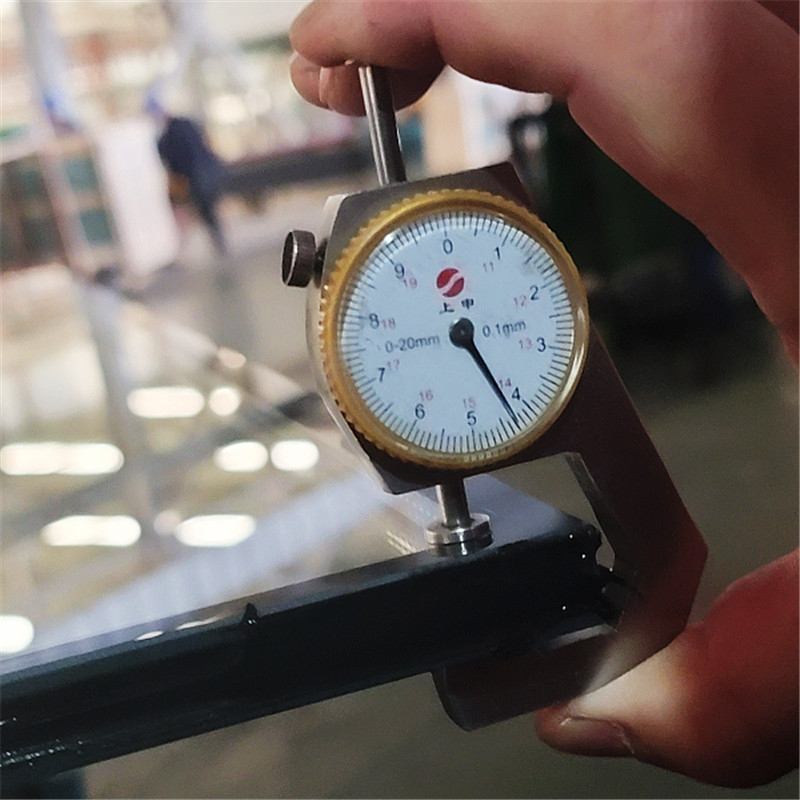
Insulated glass for windows, also known as double or triple glazed units, consists of two or more glass panes separated by a spacer filled with air or inert gas such as argon. The space between the panes acts as a thermal buffer, reducing heat transfer between interior and exterior environments. This configuration improves a building’s thermal insulation, helping maintain stable indoor temperatures and reducing the load on heating and cooling systems. Modern insulated glass systems may also incorporate lowemissivity (LowE) coatings, further enhancing energy performance by reflecting infrared radiation and limiting heat exchange.
What Makes Insulated Glass a Key Component in EnergyEfficient Design?
Energy efficiency in buildings is influenced by multiple factors, including material selection, building orientation, insulation quality, and environmental control systems. Windows and glazed openings can account for a significant portion of thermal loss if not properly engineered. Insulated glass addresses this challenge by combining multiple glass layers with a sealed spacer system to slow thermal transfer and improve insulation.
Beyond thermal performance, insulated glass enhances acoustic comfort, reducing noise infiltration in urban environments. Highperformance insulated glass can also contribute to daylighting strategies, maximizing natural light penetration while controlling heat gain. These benefits align with energy codes and sustainability targets increasingly adopted in various global markets.
Industry Trends and Regulatory Drivers
Global building regulations are increasingly mandating performance thresholds for energy efficiency. Standards such as the International Energy Conservation Code (IECC) and regional equivalents in Europe, North America, and parts of Asia encourage or require the use of highperformance glazing solutions in new construction and renovation projects. As a result, demand for insulated glass products continues to grow across commercial, residential, and institutional sectors.
Technology advancements—including improvements in spacer materials, gas fills, and lowemissivity coatings—have enhanced the performance capabilities of insulated glass units. These developments make it possible to tailor glass assemblies for specific climate zones and project objectives, offering optimized balance between daylighting, thermal insulation, and cost effectiveness.
How Wholesale Insulated Glass Solutions Support Project Needs
Wholesale insulated glass factories serve as critical supply points for largescale projects requiring consistent quality, volume capability, and reliable lead times. In the early stages of building design, insulated glass specifications are often defined in collaboration with facade engineers and energy consultants to meet performance targets. Wholesale suppliers are expected to provide technical data, product testing results, and certification documentation to support compliance with energy standards and building codes.
Insulated glass units are available in a variety of configurations, including double glazing, triple glazing, and combinations with specialized coatings such as lowemissivity films. Spacers—often made of thermally improved materials—along with gas fills like argon or krypton, enhance the thermal performance of insulated glass. When designed and installed correctly, these systems reduce heat transfer, improve comfort levels, and contribute to lower operational energy costs over the building’s lifecycle.
LYD GLASS: Capabilities in Insulated Glass Production
LYD GLASS operates in the coastal city of Qinhuangdao in northern China, a region with a wellestablished glass manufacturing ecosystem. The company benefits from proximity to Qinhuangdao Port and convenient access to Tianjin Port, supporting efficient and prompt transportation solutions for international business and helping to manage logistics costs for overseas projects.
Within its product portfolio, LYD GLASS offers a range of insulated glass units designed for windows, doors, curtain walls, and other glazed systems. These insulated glass products are engineered with meticulous attention to thermal performance, seal durability, and optical clarity. Options include standard doubleglazed units as well as configurations incorporating lowemissivity coatings and inert gas fills to meet specific energy performance criteria.
Insulated glass units from LYD GLASS are manufactured to align with project timelines and quality expectations. Cuttosize processing, edge finishing, and reliable sealing systems contribute to consistent performance outcomes when installed in aluminum frames, uPVC systems, or other facade assemblies.
Application Scenarios and Performance Benefits
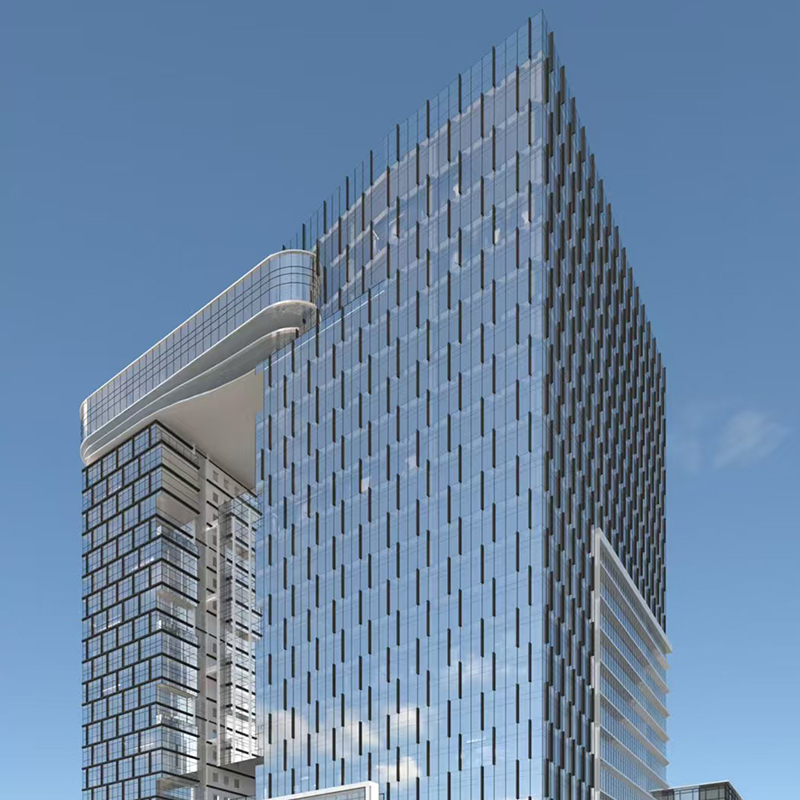
Insulated glass plays a central role in a diverse range of building types. In highrise commercial towers, curtain wall systems equipped with insulated glass help regulate internal temperatures across seasons while allowing for ample daylighting. Enhanced acoustic performance also contributes to occupant comfort in dense urban environments.
Residential buildings, particularly those in climates with significant seasonal temperature variation, benefit from insulated glass through improved energy conservation. Double glazing with lowemissivity coatings can markedly reduce heat loss in winter and limit solar heat gain in summer, easing the demand on HVAC systems and supporting stable indoor climates.
Educational institutions, healthcare facilities, and public buildings also integrate insulated glass solutions to meet stringent energy codes and occupant comfort expectations. In these contexts, the combination of visual transparency, thermal insulation, and acoustic control makes insulated glass an effective component in sustainable building strategies.
Supporting Project Design and Compliance Needs
Selecting and specifying insulated glass solutions often involves collaboration between architects, facade engineers, and glazing suppliers. Wholesale insulated glass factories can provide technical support, including Uvalue (thermal transmittance) calculations, product performance data, and guidance on appropriate gas fill and coating choices. These resources help project teams align material selection with energy modeling and code compliance strategies.
Reliable documentation and traceability are essential in this process, particularly when pursuing certifications such as LEED, BREEAM, or regional energy efficiency programs. Wholesale suppliers with established production controls and quality assurance systems can support these needs by delivering consistent manufacturing records and test reports.
Logistics and Global Supply Considerations
In international projects, supply chain reliability is a significant consideration. Insulated glass units require careful packaging and handling due to their size, weight, and composite nature. Factories located near major ports, such as LYD GLASS in Qinhuangdao, can offer logistical advantages by reducing transit distances and simplifying export procedures.
Efficient coordination between production scheduling, packaging, and freight management helps ensure that insulated glass units arrive at project sites on schedule and in optimal condition. This logistical responsiveness is particularly important for phased construction projects and large facade installations where delays can impact overall timelines.
LongTerm Value of Insulated Glass Solutions
The value of insulated glass extends beyond initial construction. Buildings that effectively manage thermal transfer through highperformance glazing often see reduced lifecycle energy costs, improved occupant satisfaction, and enhanced marketability. Energy performance metrics such as Ufactor, solar heat gain coefficient (SHGC), and visible light transmittance (VLT) can be optimized through insulated glass selection, contributing to broader sustainability outcomes.
Wholesale insulated glass suppliers, in turn, play a role in shaping the availability, consistency, and technical support of these solutions. By aligning production capabilities with evolving performance expectations and regulatory frameworks, factories contribute to the broader adoption of energyefficient glazing systems.
Conclusion
Insulated glass for windows represents a key element in the design of energyefficient buildings, offering measurable benefits in thermal performance, acoustic comfort, and sustainability. Wholesale Insulated Glass For Windows Factory solutions enable project teams to integrate highperformance glazing into diverse building types while maintaining quality, compliance, and logistical efficiency.
Through its insulated glass product range, strategic location, and manufacturing capabilities, LYD GLASS supports the implementation of energyefficient building designs across global markets. By aligning material performance with project needs, the company contributes to improved building envelopes and longterm energy savings.
For more information, please visit https://www.lydglass.com/.
QinHuangDao LianYiDing Glass CO.,LTD
QinHuangDao LianYiDing Glass CO.,LTD
+ +86 13315367306
info@dingsen-industry.com
Visit us on social media:
Instagram
X
Other
Legal Disclaimer:
EIN Presswire provides this news content "as is" without warranty of any kind. We do not accept any responsibility or liability for the accuracy, content, images, videos, licenses, completeness, legality, or reliability of the information contained in this article. If you have any complaints or copyright issues related to this article, kindly contact the author above.
